


Mangrove Forest & Wildlife

Sundarbans

Land of the Royal Bengal Tiger

Recommended Duration 2–3 Days
Best Time to Visit October to March
Destination Type Mangrove Forest & Wildlife
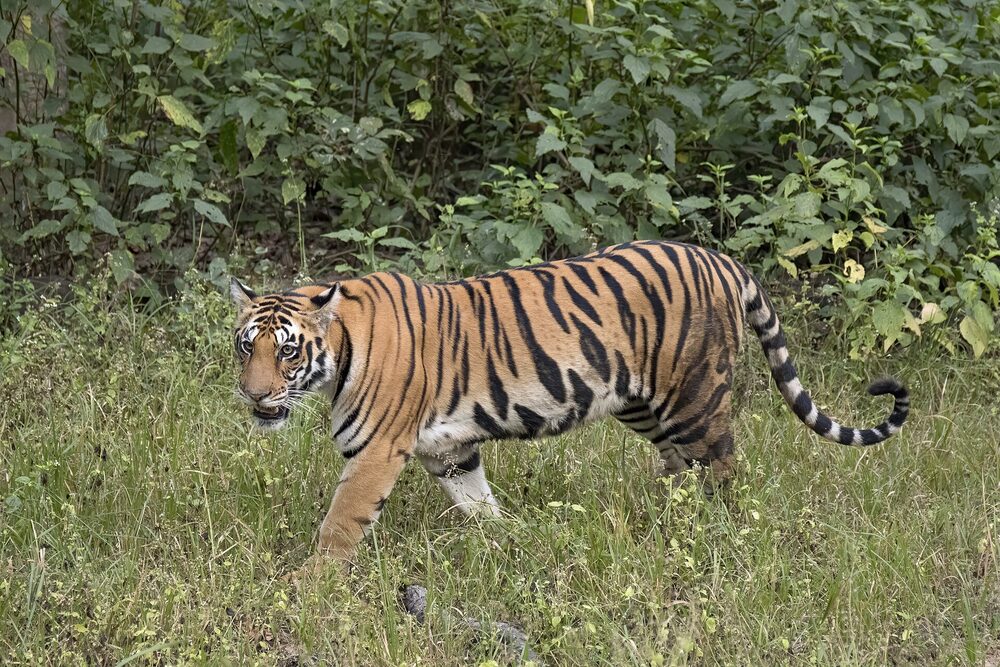
Royal Bengal Tiger in the Sundarbans

About Sundarbans

The Sundarbans is the world's largest contiguous mangrove forest, straddling the delta of the Ganges, Brahmaputra and Meghna rivers between India and Bangladesh. On the Indian side it is a UNESCO World Heritage Site and Tiger Reserve, best explored by boat through its winding tidal creeks, and is the only mangrove habitat known to support a resident tiger population.

Things to See

  • Sundarbans Tiger Reserve and its watchtowers, such as Sajnekhali and Sudhanyakhali
  • Boat safaris through the mangrove creeks
  • Sundarbans mangrove ecosystem and its birdlife
  • Bhagabatpur Crocodile Project

Boat Safari & Watchtowers

Explore the Sundarbans by Boat

The Sundarbans is a landscape of tidal rivers, narrow creeks, mudflats and dense mangrove forests. Boat journeys offer visitors a way to experience this remarkable ecosystem while exploring authorised visitor routes and designated viewing points.

Boat Journeys
Watchtowers
Birdwatching

What to experience

  • Boat journeys through mangrove-lined waterways.
  • Designated watchtowers and wildlife-viewing areas.
  • Birdwatching and observing the changing tidal landscape.
  • Guided interpretation of the mangrove ecosystem.
Travel note: Access to specific routes and viewing points depends on current forest permissions, authorised boat arrangements and operating conditions. Wildlife sightings are never guaranteed.

Places to Explore

Sajnekhali

A well-known visitor area associated with the Sundarbans' wildlife and mangrove landscape. It is a useful starting point for learning about the reserve and its ecosystem.

Sudhanyakhali

A designated watchtower destination featured in regional tourism itineraries. Visitors may observe the forest and look for wildlife from authorised viewing areas.

Dobanki

A forest visitor destination associated with a canopy-walk experience. Confirm current access and operating arrangements before planning your visit.

Mangrove Creeks

Experience the waterways that shape this tidal ecosystem, with mangrove roots, changing water levels and opportunities to observe birds and other wildlife.

The official Tiger Reserve website maintains its own places-to-visit and boat-booking resources; use those to verify individual attractions and access before publishing.

Wildlife & Mangrove Ecosystem

A Living World of Mangroves and Wildlife

The Sundarbans is internationally recognised for its extensive mangrove ecosystem, tidal waterways and remarkable biodiversity. Its landscape is constantly shaped by tides, sediment movement and the interaction of freshwater and saline environments. The forest is also a critical habitat for the Royal Bengal tiger and many other species.

Royal Bengal tiger
Mangrove forests
Birdlife

What makes this ecosystem special?

  • Mangrove forests: Salt-tolerant trees adapted to challenging coastal conditions.
  • Royal Bengal tiger: The iconic predator of the Sundarbans.
  • Birdlife: A diverse range of resident and migratory birds.
  • Aquatic wildlife: Crocodiles and other species adapted to estuarine habitats.
  • Natural protection: Mangroves help stabilise shorelines and buffer some coastal storm impacts.
Conservation note: Please respect forest boundaries, avoid littering and follow the instructions of authorised guides and forest officials.

Suggested Itineraries

2-Day Sundarbans Trip

Weekend option
A short introduction to the mangrove landscape

Day 1

  • Travel from Kolkata to the pre-arranged boarding point.
  • Board an authorised boat and travel to your booked stay.
  • Explore the permitted route and enjoy the river scenery.

Day 2

  • Take a scheduled boat excursion, if available.
  • Visit permitted viewing points or watchtowers.
  • Return to the boarding point and travel back to Kolkata.
3-Day Sundarbans Trip

More relaxed
More time for nature and local experiences

Day 1

  • Travel to the designated boarding point and check in to your arranged accommodation.

Day 2

  • Spend the day on an authorised boat itinerary, with designated viewing stops where permitted.
  • Learn about mangroves, birdlife and local livelihoods.

Day 3

  • Enjoy a shorter excursion if available.
  • Return to the boarding point and travel back to Kolkata.
These are sample planning outlines, not guaranteed tour packages. Actual routes, timing, permits, stops and boat availability must be confirmed with the authorised operator.

Where to Stay in Sundarbans

Choose Your Stay in the Sundarbans

Accommodation can range from budget guesthouses to resorts and organised tour stays. The best choice depends on your boarding point, itinerary, comfort requirements and whether meals and boat excursions are included.

We are still adding stay listings for the Sundarbans. Tell us your dates, group size and budget and we will suggest options.

Ask for options
  • Budget stays: For travellers prioritising affordability.
  • Comfortable resorts: For visitors seeking more amenities.
  • Organised tour stays: For travellers who prefer accommodation and excursions arranged together.
Before booking, confirm: location, meals, transfers, boat arrangements, inclusions, cancellation policy and any additional charges.

Explore Sundarbans Tour Packages

Discover curated tour packages with stays, meals and boat safari experiences.

Tour package listings are coming soon. Share what you have in mind and we will help you find a suitable trip.

Ask for options

Local Travel Agents & Tour Operators

Connect with local operators for customised Sundarbans trips.

Local operator listings are coming soon. A Verified badge will be shown only after we have confirmed a business.

Ask for options

Visitor Rules & Responsible Tourism

Use authorised boats and guides

Confirm that your boat and planned route comply with current reserve requirements.

Respect wildlife

Avoid loud noises, feeding animals or attempting to attract wildlife for photographs.

Leave no litter

Carry waste back with you and avoid polluting rivers or forest areas.

Check weather and local guidance

Boat schedules and access may change due to weather, tides or official instructions.

Local Culture & Conservation

People, Culture and Life Around the Mangroves

The Sundarbans is not only a wildlife destination. Communities across the region have long depended on fishing, honey collection, farming and other livelihoods connected with the landscape. Local culture and folklore—including traditions associated with Bonbibi—are part of the region's identity. Conservation initiatives also work with communities to restore mangroves and strengthen natural protection for settlements.

Local Food & Shopping Guide

Taste the local flavours and take home a piece of Sundarbans.

What to Eat in Sundarbans

Crab Curry (Kakrar Jhol)

Non-vegetarianLocal Special

Mud crabs are a staple catch of the creeks around the Sundarbans, and crab curry is a favourite in the delta's kitchens. Ask your homestay or lodge whether it can be arranged.

Where to try: Ask at your homestay or lodge

Season: Depends on the catch

Prawns in a coconut-milk curry (chingri malaikari)

Prawn (Chingri) Curry

Non-vegetarianMust Try

Prawns are caught and farmed across the coastal districts of South Bengal. A classic is chingri malaikari, prawns simmered in coconut milk. Ask what is on the menu where you stay.

Read more - Prawn (Chingri) Curry

Fresh River Fish Curry (Macher Jhol)

Non-vegetarianMust Try

A light, spiced fish stew made with the day's freshwater or estuary fish and eaten with steamed rice. The fish changes with the season, so ask what came in that day.

Season: Varies by season

Sun-dried fish (shutki)

Shutki (Dry Fish) Curry

Non-vegetarian

Sun-dried fish is a strong-flavoured part of coastal Bengali cooking, often cooked with potato or gourd. It is an acquired taste, and availability varies.

Season: Winter (Nov–Feb)

Read more - Shutki (Dry Fish) Curry

Desi Chicken Curry

Non-vegetarian

Country-chicken curry with potatoes and home-ground spices, a comfort dish of village kitchens. Homestays often need notice to prepare it.

Local Bengali Snacks

VegetarianMust Try

Jhal muri (spiced puffed rice) and telebhaja (crisp fried fritters) are everyday Bengali snacks, found at market stalls and tea shops.

What to Buy & Take Home

Sundarban honey, harvested from the Sundarbans mangrove forest

Food & Forest Produce

Sundarban Honey

Local Product

Wild honey from the mangrove forest is harvested in spring. The Forest Department sells processed honey under its Bonphool brand; a kiosk at Sajnekhali was reported selling it in 2023-24, so confirm before you go.

Where to buy: Sajnekhali kiosk (as reported); confirm availability

Season: Spring harvest season (Apr–Jun)

Read more - Sundarban Honey

Handloom

Kantha Stitch Products

Local ProductHandicraft

Hand-stitched Kantha embroidery, also a documented craft of South 24 Parganas.

Where to buy: Craft cooperatives across South 24 Parganas district.

Season: Year-round

Read more - Kantha Stitch Products

Grains

Brown Rice

Local Product

Unpolished brown rice is an easy-to-carry souvenir from the delta's farming villages. Some local cooperative brands sell it; check the packaging, the seller and any organic claim yourself.

Folk Art

Bonbibi Artwork & Souvenirs

Local ProductHandicraft

Bonbibi, guardian of the forest, is central to Sundarbans folk belief. Local women's groups paint scroll art (patachitra) on forest themes, including Bonbibi, and some of it has been sold to visitors at Pakhiralay.

Where to buy: Pakhiralay (as reported); availability varies

Cooperative Brand

Sundarini Products

Local Product

Sundarini Naturals is a women-led cooperative brand from South 24 Parganas, with dairy products, ghee, sweets, snacks, honey and rice among its range. Check current outlets and ordering options before you rely on it.

Where to buy: Outlets reported in and around Kolkata; confirm current availability

Handicraft

Handmade Local Souvenirs

Local ProductHandicraft

Gosaba-based welfare projects have trained local women to make clay animal souvenirs, and Joynagar in the same district is known for its coloured clay dolls.

Where to buy: Craft workshops in Jaynagar-Majilpur; ask locally for the Gosaba projects

Read more - Handmade Local Souvenirs

Where to Shop

Forest Department Honey Outlets

Sajnekhali (kiosk reported)

Forest honey is processed and sold under the Forest Department's Bonphool brand. A kiosk at Sajnekhali was reported selling it in 2023-24; confirm with the Sundarban Tiger Reserve office before you rely on it.

Local Craft Cooperatives

South 24 Parganas

Craft groups in the district make kantha, scroll art (patachitra) and clay souvenirs. Ask your guide or homestay which cooperatives welcome visitors when you travel.

Gosaba & Pakhiralay Local Markets

Gosaba block, South 24 Parganas

Gosaba is a gateway for many Sundarbans boat trips, and Pakhiralay is a river landing where tourist boats call. Expect everyday goods and small souvenirs; stalls and hours vary, so ask locally.

Availability, prices and opening times can change, so please confirm before you travel. Never buy wildlife products or anything collected from the protected forest.

Frequently Asked Questions

What is the best time to visit the Sundarbans?

October to March is commonly recommended for visiting. Check current weather and tour availability before travelling.

How many days should I plan?

We suggest planning 2–3 days as a useful starting point, depending on the boat itinerary, accommodation and departure point.

Can I explore the forest by car?

The main forest visitor experience is boat-based. Travel by road to the designated boarding point, then follow authorised boat arrangements.

Will I definitely see a Royal Bengal tiger?

No. The Sundarbans is tiger habitat, but sightings are unpredictable and should never be guaranteed.

Do I need to arrange a boat in advance?

The Tiger Reserve advises visitors to arrange travel through registered boats and coordinate with tour operators before arriving. Verify the latest official requirements before departure.

What should I carry?

Carry drinking water, sun protection, insect repellent, comfortable clothing, necessary medication and any documents required for your booking. Follow the operator's instructions.

Are boat routes and watchtowers always open?

No. Access depends on current rules, permissions, weather and operating conditions. Confirm before your trip.

How to Reach

By Car

Gateway towns like Godkhali and Sonakhali are reached by road from Kolkata, followed by boat.

By Train

Canning is the nearest railway station with connections from Kolkata (Sealdah).

Travel Tips

Stay Inspired

Download Our App

Your next adventure is just a tap away.